Common Mistakes in Fiction Writing
Save money on your editor and learn to edit for the most common word- and sentence-level issues in fiction. You will learn to be a better writer for having gone through this process and you will save money.


Save money on your editor and learn to edit for the most common word- and sentence-level issues in fiction. You will learn to be a better writer for having gone through this process and you will save money.

Email templates can save you a lot of time spent emailing so learn how to create them and what templates you may want to create for your editorial business. This blog also contains free email templates for you to download and modify.

When the organization of your nonfiction book is random and ideas seem disjointed, it impedes flow and makes it harder to follow your ideas. Even if your ideas themselves are clear, the lack of organization can muddle them. So learn how to determine chapter order, use headings and subheadings, and write effective transitions.
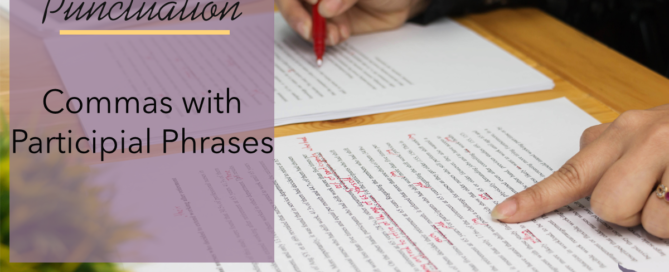
Commas can be tricky. Learn when you do and when you don’t use a comma with participial phrases.

Readers want to know your characters even in a plot-driven story. They don’t have to like your characters, but they have to know your characters. So how do you make this happen? By revealing character interiority. Without effective interiority, you hold your readers back from really engaging and immersing themselves in your story. Learn all about one of the secrets to a compelling novel, interiority: what it is and how to use it effectively.

Editing is a cognitively demanding skill, and with so much to think about, it is easy to overlook tasks to do and edits to look for. Checklists keep you organized and on track. Learn the power of checklists and how to create and use them.

Crime novelists need to make sure they get the details right when it comes to police work. So in this blog, learn the steps the police go through once a theft is reported to find the criminal and charge them with larceny, burglary, and/or robbery. And as a bonus, learn how to spice up detective work, so it isn’t too boring.

Whether you put punctuation inside or outside quotation marks depends on the punctuation and which regional rules you are following. Learn which punctuation marks go inside, which ones go outside, and which ones sometimes go in and sometimes out in US English.

Free indirect speech is a powerful tool when writing in third person. It gives you the intimacy of first person but with the flexibility of third person. Learn what it is and why you want to use this tool.
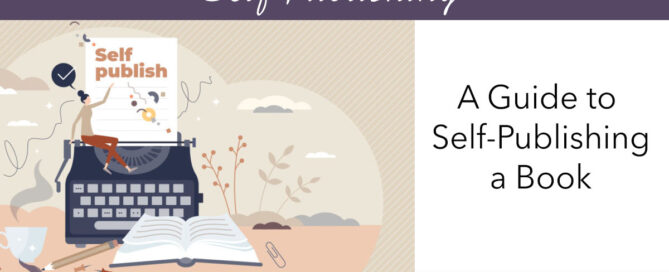
Self-publishing is not for the faint of heart. Because there are a lot of steps in the process, it can be a steep learning curve. Learn how to do each step well and the supporting help available to aid you in your journey.